
Mambo Jambo from the spice islands, the Indian Ocean, the land where palm trees sway, where dhows glide blissfully across the horizon, where the sun sets spectacularly and the call to prayer is frequent – Zanzibar!
It is difficult to believe how quickly you can go from village to genocide memorial to big city to safari to paradise islands… Well, when I say quickly, there were some of the most epic bus trips of my life along the way… We left Kigali on what was meant to be a 12 hour bus trip across the border into Tanzania. If only life here was so simple. We ended up dumped in some end-of-the-earth taxi park in a town called Nzega, told the bus was coming ‘soon’. How soon? Three minutes. Great.
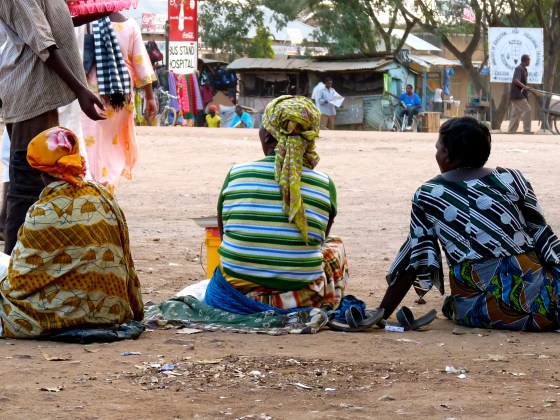
Two hours later, still no sign of any kind of bus (although one did come into the taxi park called the “Virgin Express” – it wasn’t going our way though…).
Finally, after dark, the bus arrived, packed with people and no spare seats. It was only a four hour trip so we said we’d stand. We were desperate. At one point I was sitting on the knee of some boy wearing a t-shirt that said WEAR CONDOMS! (he worked for an AIDS awareness organisation), Cherie was being burnt from sitting on the engine and when Kirsty tried to close her eyes to sleep the guy I was sitting on told her to keep her eyes open because if we stopped suddenly she’d be thrown through the windscreen and would need to be looking out to brace herself. Life was good. We finally made it to Mwanza, a Tanzanian town on the southern shores of Lake Victoria, long after dark and were guided by a friendly local guy to a place to stay. 18 hours of chaotic African travel – we slept well that night!
In Mwanza we decided that given everyone but us comes to Africa to see the animals, we should splash out and do the same – safari! We spent three incredible days travelling through the Serengeti National Park and Ngorongoro Crater where zebras, giraffes, elephants, gazelle, baboons, buffalos and lions roam… It was truly spectacular.

The Serengeti is what you dream about when you think of Africa – dry plains stretch forever with acacia trees punctuating the landscape and wild animals wander. I think I took more photos of trees than animals but to be standing with your head out the roof of a 4WD in the middle of Africa watching giraffes and elephants roam takes your breath away.


Category Archives: Writing from the village
Reconciling horror with beauty
Last time I wrote it was the eve of our Rwandan adventure and now as I sit in Kigali on our last night in Rwanda, it is difficult to get my head around the week we have spent here – never mind to try to put it into words.
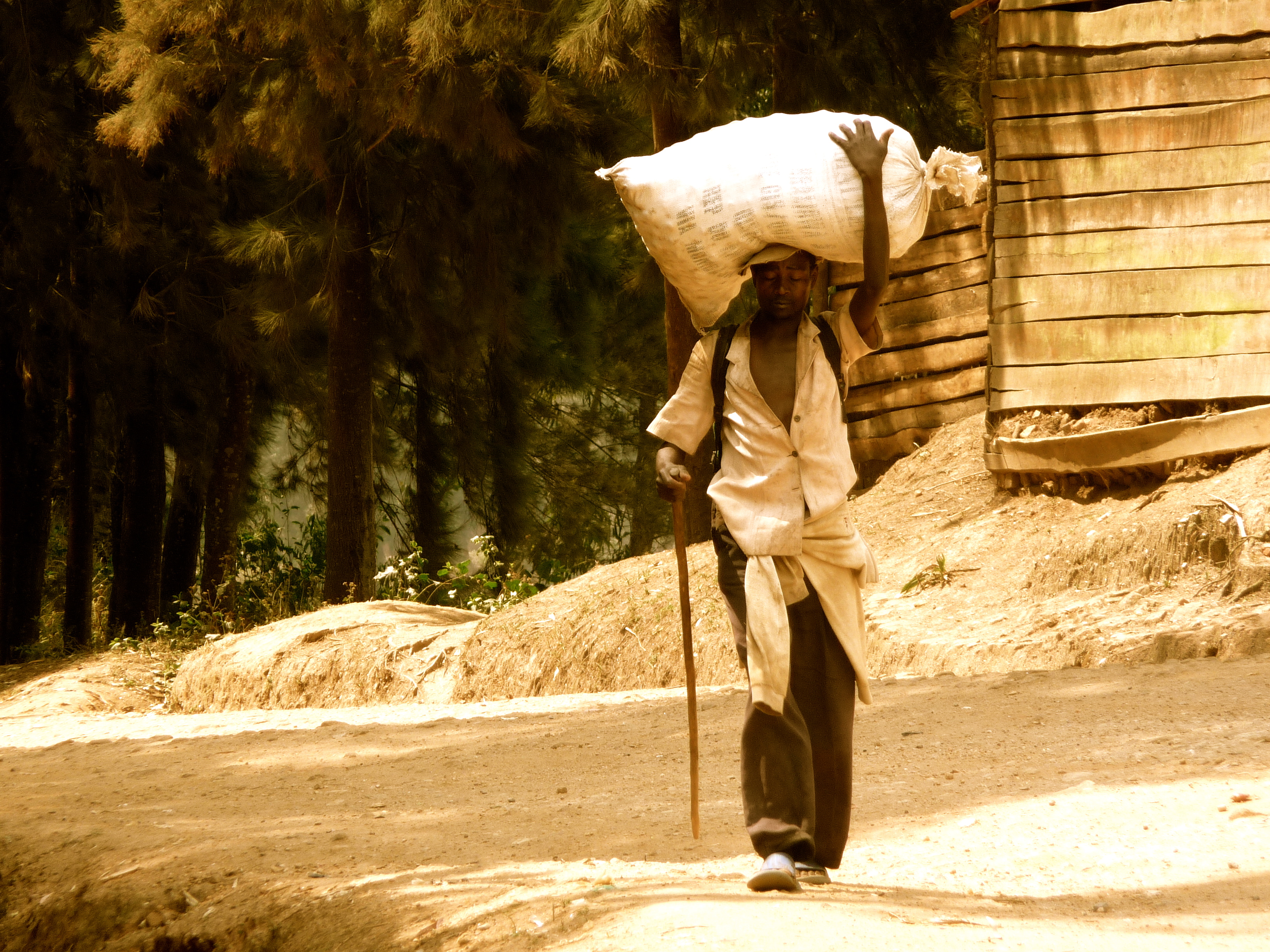
After an epic 10 hour bus trip that brought us from capital to capital – Kampala to Kigali, we arrived exhausted and exhilarated. The drive through northern Rwanda south to Kigali is spectacular and it was clear to see why this place is called ‘the land of a thousand hills’. I lost count within the first hour. Densely cultivated countryside sprawled across the hills in a patchwork of every kind of green imaginable. Mud huts clung to the edge of steep valleys as women and children carried all kinds of things on their heads around the winding roads. Stacks of terracotta roofing tiles, jerry cans full of water, a spade head, giant bunches of bananas, huge clay pots, two-metre long lengths of sugarcane, an uncountable number of giant sacks of potatoes, a man in a tiny village dressed immaculately in a suit with a briefcase on his head, another man carrying a 4-foot high sack of firewood – sitting vertically on his head… The list goes on.
So the first thing that hits you about Rwanda is its overwhelming beauty. However, this is quickly undercut by the unspeakable horror that took place here not so long ago. On day one, Kirsty and I went wandering only to stumble across Hotel des Milles Collines aka Hotel Rwanda. For those of you who haven’t seen the film, it documents a local Rwandan man who managed the hotel and during the genocide gave refuge to over a thousand Tutsis, ultimately saving their lives. We entered the immaculate foyer and ended up in the most beautiful gardens sitting beneath umbrellas sipping coffee. It was hard to try and picture the scene here in 1994 when people lived in constant fear of death and were so desperate they drank the swimming pool to stay alive.
The following day, Cherie joined us from her gorilla trekking experience and the three of us went to the Kigali Memorial Centre – a museum dedicated to the genocide. It was truly horrific. The museum is incredibly well done and gives a build up to the genocide, trying to offer some kind of explanation as to how something so unthinkable could have taken place in a world that had so clearly denounced genocide after the Holocaust. There is a very moving quotation that states:
“When they said ‘never again’ after the Holocaust, was it meant for some people and not for others?”
The pictures and stories deteriorate into a scene of absolute horror as the genocide takes hold of the country. Over 800,000 Tutsis were murdered in 100 days, a rate of death that I still cannot begin to get my head around. The complete apathy of the international community is chilling; the world literally stood by and watched as people were slaughtered, mostly with machetes, all over the country. People were sending messages to the world, reporters were sending stories to editors but the world was not interested. America had recently been embarrassed by a major blunder in Somalia and didn’t want to get involved again. The press said people were ‘sick of Africa’ and, besides, Princess Diana and Prince Charles were getting divorced – that was what sold papers.
I am in the middle of reading an incredible book called “We wish to inform you that tomorrow we will be killed with our families” by Philip Gourevitch, an American journalist who came to Rwanda after the genocide to try and find some answers. That night, lying in bed, images of horror still fresh in my mind, I read about massacres that took place in a church in Kigali called Sainte Famille. Realisation hit me – we were staying at the Sainte Famille. I lay in bed looking around me, trying to take in stories of thousands hiding in these very rooms as the massacres took place outside the doors. There were lists of names of Tutsis to be killed and the Father of the church actually helped the genocidaires to locate these people from within the church. Needless to say, I did not sleep that night. Continue reading
On the road
After a whirlwind of dust, discos, catastrophes, hospitals, illness, heartbreak, vino and ultimately laughter, we are at last on the road. In a Jack Kerouac-does-Africa sense of the word. We will be jumping on and off public transport as we journey across East Africa for the next six weeks. It’s going to be intense, amazing and I can’t wait.

But first… Stories from the last couple of weeks. We arrived back at KAASO after our Nile adventure to be met with an epidemic of sickness. Children were lying everywhere in various states of disarray, burning with fever and delirious from malaria and other unidentified illnesses. It was heartbreaking to see and I have never felt so helpless. Here, it seems, there are two types of medicine – malaria medicine and panadol. If it’s malaria, you take malaria medicine. Anything else can be fixed by a panadol and a cup of syrupy juice. Apparently. Except for the other day, when Rose came back to school dressed in her beautiful gomesi. She had been at the funeral of a 17-year old girl who had died the previous day. I asked her how she had died.
‘Headache,’ was the reply.
I looked at her in disbelief. ‘She had a headache and… then she was dead??’
‘Yes,’ Rose said simply. ‘You know these village people, they won’t take someone to hospital until they’re in a coma.’
No, I don’t know.
It’s worlds away from all I’ve ever known. But that’s just the way it is. People here have such an acceptance of death, they understand the close proximity between life and death and people believe that there is nothing you can do about it. Just keep on going, hoping it’s not yet your turn.
I came back from class a few days later, buzzing from having had 50 five-year olds clapping and dancing, only to turn the corner to be met with a sea of bodies sprawled across the dusty ground. I was horrified and asked them what they were waiting for. The nurse. They were so hot and half of them still wearing their woolen jumpers in the scorching sun so I took them off and stood helplessly wondering what on earth I could possibly do. Endongo. My guitar. I ran inside and came back carrying this most prized possession which is still met every time with wide eyes and shy smiles. I sat down next to Brenda, a tiny girl from my P1 class and began to play ‘You are my Sunshine’. Soon there were little faces popping up all around me, lighting up in smiles, those that had the energy sitting up and singing along quietly. It wasn’t much but at least it was something. It helped to pass the time until the nurse arrived and gave them hope that at least someone cared and wanted to spend time with them when they had no parents to do just that.
So in the midst of all this sickness, I guess it was only a matter of time before one of us fell prey to it. I was the lucky one. Fortunately it wasn’t malaria but I was hit by some chronic stomach bug which left me doubled over in bed wanting to die. Kirsty was a wonderful nurse, giving me plenty of drugs and forcing me to drink electrolyte solution tasting so foul I couldn’t help but wonder if the people making it had ever tried it – especially when you feel like you have an army marching through your belly…. And then a few hours later, Kirsty was struck down so the two of us lay in bed, writhing in pain and taking solace in the fact that at least if we died, we’d die together. After what felt like forever (in reality only two days) it passed and we are now fit and healthy. Although I don’t think I’ll ever be able to eat maize porridge again which was what I’d eaten just before the pain started. Not a major loss.
I was one of the lucky ones. My illness left as quickly as it came. Others have not been so lucky. Two days ago I was walking through the school when Claire, one of the tiny girls from nursery came stumbling along looking awful. I crouched down to speak to her and quickly realised she could hardly breathe and was struggling with each breath. We brought her back to the house where Cherie tried to give her a spoonful of medicine but she vomited it straight back up over me. We needed urgent help. So I’m standing in a tiny village in the middle of nowhere with a seriously ill child who has no family for miles and we need to get her to hospital but there is no transport. It’s a terrifying feeling. I became more and more panicked as the girls tried desperately to find a boda boda to take her and I held her as she battled for breath. Finally one came and I jumped onto it with Claire and the school secretary. Half an hour of bumping along the dustiest roads with the worlds largest potholes (you could picnic in one), me clutching Claire, my ear to her head to make sure she was still breathing, we finally reached the hospital where, amazingly, the doctor saw us straight away. Sorry to the lady already in the room with her coughing baby.
It was infuriating not knowing what was going on – no one here asks questions. Like the girl who died of ‘headache’, you trust the doctors blindly and don’t bother to even ask what the problem is. Doctor knows best. Fortunately the doctor put up with my frantic tirade of questions and diagnosed it as an allergic reaction to the ‘environment’ which had swollen her breathing tubes and caused them to spasm. Or something along those lines. There was one moment of laughter when he first said she had allergies and I asked to what – food? He looked at me with a gleam in his eye and said that she probably hadn’t developed a sudden allergy to porridge, posho or beans – the only three things the children here are given to eat. They have eaten these all their life and will probably continue to do so. There is no variety. Continue reading
Back into the wild
Our crazy whirlwind of travelling on the beaten track is over and it’s time to go back off it. We have now realised that we are not the only muzungus in Uganda as we’d originally thought. Far from it. There are places here with hot water, cold drinks, power lines that actually connect to the houses (rather than passing over the top to go to Tanzania as where we live), bars and great restaurants.
Last night we had dinner with an American guy we met along the way who made us all feel just a little bit amazing by being totally awed at how rural our experience was – he’d been doing medical research in Kampala for 6 weeks and hadn’t seen half of what we’ve been living the last two months. It was nice to be thought of as ‘hard core’ for once in my life and made me realise that perhaps what we’re doing here isn’t quite so normal as I’d convinced myself. Doesn’t everyone go and live in a village at the ends of the earth with three mud buildings and a school of needy children?
Sitting on a packed, scorching bus we made our way out of the city and back to where brick houses give way to mud huts, to where you can no longer walk the street anonymously but are constantly met with cries of ‘Muzungu! How are you?!’ everywhere you go, back to our world of cold bucket showers, dusty pot-holed roads but ultimately back to our home – where there will be 623 delighted children waiting for us. It’s hard not to be a little excited.
It’s going to be a couple of action-packed weeks back at KAASO, trying to do as much as humanly possible before the school holidays kick in and we head off south of the border – Rwanda awaits…
Thank you once more for your overwhelming support for our fundraising project. Donations continue to arrive and we continue to be eternally grateful. We are going to try and get construction started as soon as possible so will keep you updated as much as our technologically-challenged lifestyle allows.
River wild & stories shared
We have ventured along the red roads of Rakai, through the madness of Kampala and now find ourselves in a town called Jinja. From here, the Nile springs from beneath the ground to join a flow from Lake Victoria which winds its way through Uganda and Sudan, eventually finding itself in Egypt which most people (myself included until now) think of as the home of the Nile. As of today I stand corrected – Uganda is in fact the source of the Nile.
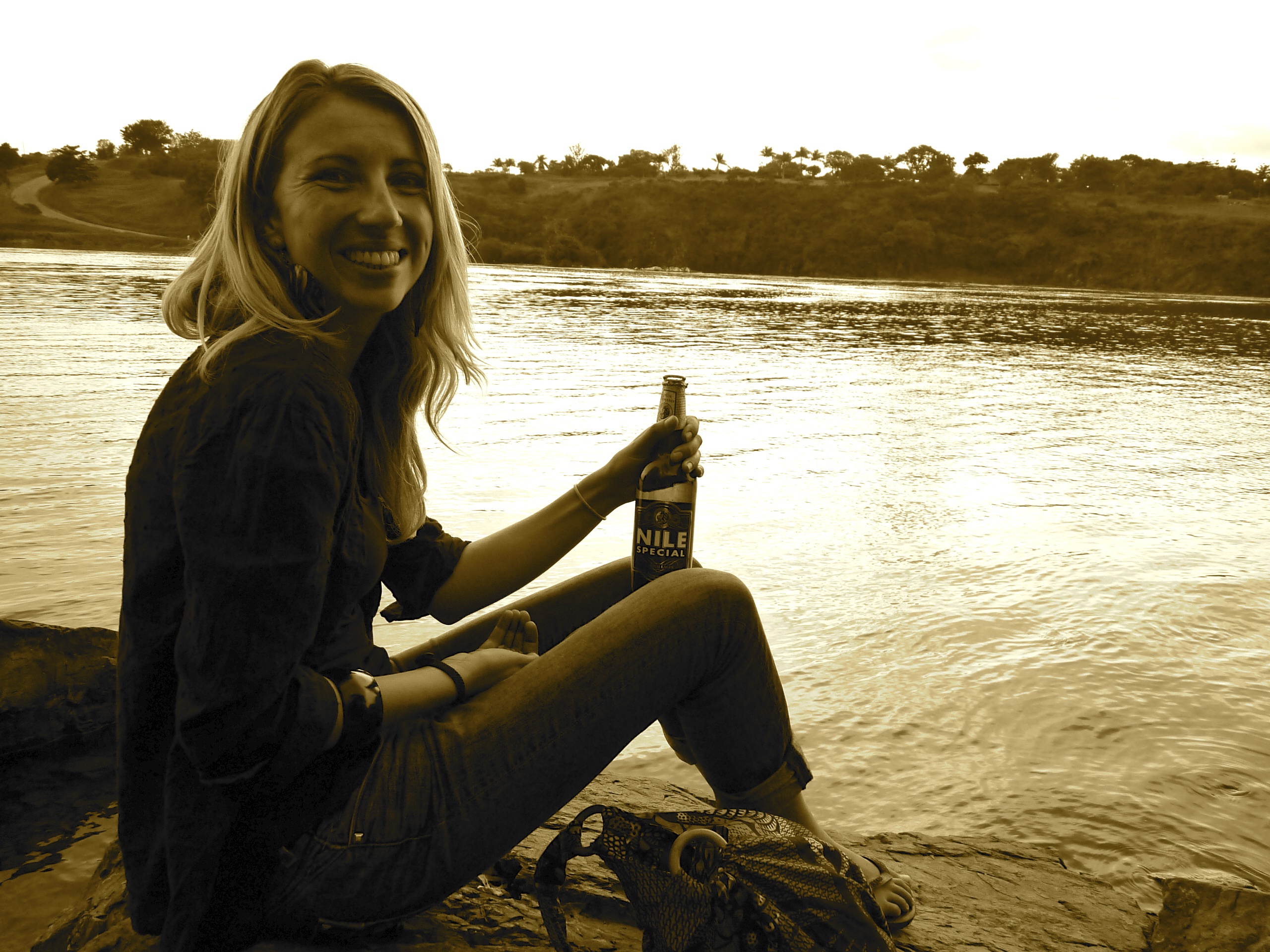
It was not until arriving in Jinja that we realised just how rural Rakai is. Here there is electricity, running water, large buildings and even a brewery (Nile Lager!). We crossed the Nile today over the Owen Falls Dam which supplies power not only to Uganda but also to Kenya, Tanzania and Rwanda. Tragically, most of the power goes overseas and for some insane reason the price of power is more here than what they sell it for in neighbouring East African countries. Sometimes the logic of this place is lost on me.
Last night was spent in the home of a Ugandan pastor named John who runs a school/orphanage just outside Jinja. He is hoping for his project to be added to the Kids Worldwide portfolio and so we spent a night asking him a million questions and feasting on Ugandan food – the hospitality here is outstanding. We went into the school today and met all of the kids. There are only 60 in the whole school (a single class at KAASO!) but next thing we knew, the entire school was in a classroom and we were singing and dancing with them, teaching them songs and I just wished I’d brought my guitar. John, the director has intentionally brought all of his teachers from the north of Uganda where people do not speak Luganda so the children are taught entirely in English. They are hugely intelligent and have the same warm smiles as the kids at KAASO. It feels strange to be away from KAASO, our Ugandan ‘home’, so it was nice to have the chance to spend some time with new children in a different part of the country.

The few days we spent in Kampala were overwhelming – three city girls plunged into the middle of rural Uganda for two months then pulled back into the big city… We were amazed by everything we saw (I actually asked someone if their lights ran off a generator or solar power – he looked at me as though I was mad – ‘Uh, we have electricity.’ Of course.) We stayed in a little guest house in the middle of Old Kampala and when we checked in I tried to show off my Luganda. The man at the reception looked at me confusedly. He did not speak Luganda. Patrick was his name and he was a refugee from the Democratic Republic of Congo. So I launched into French (a damn sight better than my Luganda!) and found out his life story. Continue reading
Translating words into action…
Life at KAASO continues to spin me, throw me, baffle me and make me smile. The sun is beginning to climb and you know that in a matter of minutes the day will be scorching beyond belief. After six weeks here there is a strangely contradictory sense of really belonging, while also knowing that you will never quite understand what’s going on. It’s a paradox you learn to embrace, to accept and ultimately to enjoy.
Many of you have expressed a desire to contribute, to donate in some way and for this I am eternally grateful. We arrived here knowing that we wanted to do everything in our power to help the school and the community – yet also knowing that we needed to first spend some time here to soak it all up and to understand what really needed to be done. Having talked with Dominic and Rose for hours the past weeks we have finally worked out the greatest fundraising priority for the school: the completion of the half-finished girls’ dormitory so that the computer lab and library can be vacated and used for their original purpose.


The computer lab/library has been completed for some time now but due to lack of space and funds, is currently being used as a girls’ dormitory. As strange as it may seem for children in rural Uganda to need a computer lab, you would be surprised at how great the need is. Many children that are lucky enough to leave KAASO to go onto secondary school end up top of their classes in everything – yet they are failing the computer classes for they have never even seen a computer before. Around the world, computers are becoming indispensable and Uganda is no exception.
In the words of the District Chairman at a recent fundraiser: ‘Very few of our schools in Rakai District having computer training facilities. You may ask: why do these people in the developing world need computers? Computers are now part and parcel of our life. We are trapped between the developed world and our traditional ways. I appeal to you passionately, please help our children to move forward so that we do not become backwards. The world is now a global village, help us to join it.’ Continue reading
Full and fulfilling
It never ceases to amaze me that in a country characterised so fully by ‘Africa time’ you can still feel as though you have lived a week in a single day. Every morning I write a huge list of all the things I hope to get done and every evening I laugh at myself as I see how few of them I have actually managed – and yet the days are so full that I often can’t remember the morning by the time I go to bed. Full and fulfilling.
So much has happened since I last wrote that it’s overwhelming to try and choose what to share with you in your far-flung corners of the world. I have sat on a white sand beach and watched the sun set over Lake Victoria, travelled over more potholes than I ever thought possible in one road, danced at a traditional wedding ceremony amongst over 1000 Ugandans, joined the school choir singing in three part harmony in Luganda, attended an inspiring and heartbreaking AIDS workshop, helped at a fundraiser for an incredibly poor school near the Tanzanian border, shared a beer with the Chairman of the district and watched hundreds of school children perform in a music festival under a makeshift marquee held up with sticks. And that’s just the last week!
The Ssese Islands were stunning. Breathtakingly so. After one of the longest short journeys of my life (how can you travel so far and cover so little ground?!) we arrived, barely recognisable we were caked in so much dust, at a campsite by the shores of Lake Victoria. We were overwhelmed to see so many fellow muzungu, it almost seemed indecent to see people in bikinis after so long of our modest village dress. It was amazing to enjoy a beer that was actually cold and to meet an mixture of interesting people from around the world who had been volunteering and travelling in various parts of Africa. The sunset was spectacular over the lake and as we sat sipping our drinks it was easy to forget where we were. There is a kind of bitter-sweet feeling to be somewhere so overwhelmingly beautiful as it’s constantly undercut by guilt at being so lucky to enjoy such paradise while so many suffer.

We met a local boy working at the campsite named William. He had dropped out of school last year when his father died and his mother was unable to pay for his school fees. He was spending this year working to try and save enough money to finish his final year of secondary school. He was 22. The dedication to education here is phenomenal, if children back home had any idea how hard people here worked to put themselves through school and just how devoted they are to their studies – it’s inspiring! We returned to KAASO dusty, battered and bruised from another epic journey crammed into a taxi van with 20 people, 10 sacks of sugar, 4 babies, more bags than I could count and no doubt a chicken or two had found their way in… It felt good to be ‘home’. Continue reading
Sunset moonrise
As if the wild and wonderful disco wasn’t enough, my Ugandan birthday celebrations continued. Sunday dawned a beautiful sunny day and Cherie and Kirsty cracked open some latte sachets they’d brought from home. It was absolute bliss to finally be drinking coffee again (the irony of it all – one of Uganda’s main exports is coffee and yet they do not process it here so by the time it gets back to Uganda, it is too expensive for the locals to buy). I opened my presents, mostly hilarious things the girls had managed to find in Kyotera, but also pictures and cards Cherie had had the children make for my birthday and they were amazing. They contained the most gorgeous messages:
‘Teacher Emmy I am happy because your going to do happy birthday on Sunday.’
‘Emma I am going to be your friend thank you to be your friend. I am going to sing for you. I love you so much.’
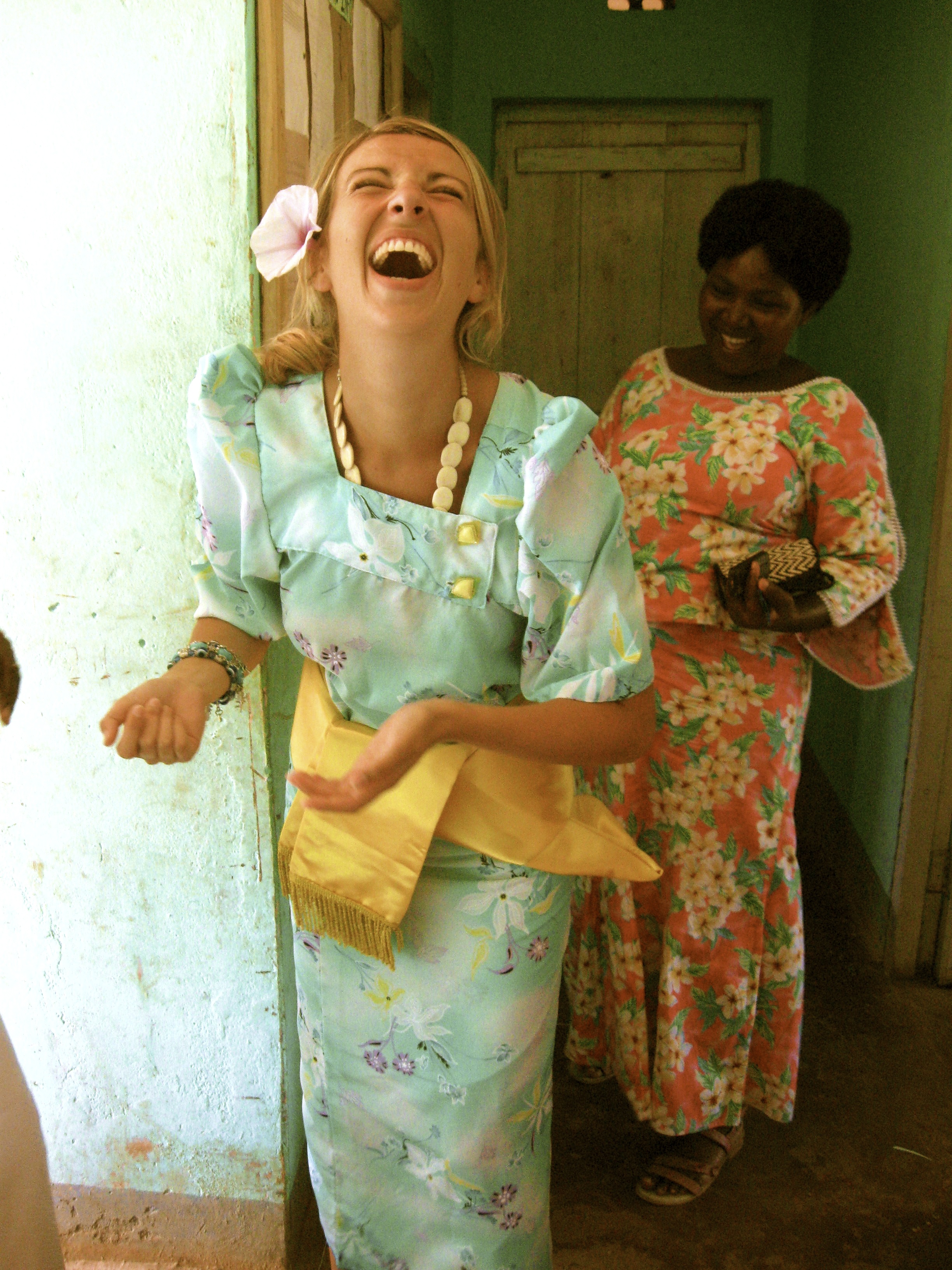
Then came the showstopper – the girls had had a gomesi tailor-made for me – a traditional Ugandan dress, a little like a kimono. Rose and the other women were in hysterics watching me try to tie it and all the children came out to see this blonde muzungu dressed like a Ugandan woman. I totally blended in.
Crossing borders & disco dancing
Another scorching day in the town of Kyotera where children still run down the street chasing us with cries of muzungu! I don’t think I will ever again feel so famous as I do in Uganda. It’s funny that after almost a month here we feel as if we are beginning to blend in, yet every time we venture outside the grounds of KAASO we are reminded of how much we stick out, the colour of our skin blinding white in contrast to these faces that live under the scorching African sun.
The last few days have been yet another whirlwind adventure – the story of my life currently. Dominic took us to the government school that he runs down near the Tanzanian border. It was an eye-opener to say the least. All the time we have been here we have been taking our perception of ‘norms’ from KAASO, overwhelming though they may be. Kamuganja School was another story. Located in the middle of nowhere, it serves a community that largely consists of Rwanda cattle herders that fled their homes during the genocide of 1994. The people carry the scars of unspeakable tragedy and the children are understandably affected. The families are scattered far and wide around the surrounding area and to get to school, some children must walk over two hours and be ferried across a river, an offshoot of Lake Victoria, by boat if they can find one. There were less than 100 students here when Dominic took over as headmaster two years ago; now the school roll is over 300. The community is extremely poor and although being a government school there are no school fees, there is no provision for such things as uniforms, resources or even lunch. Most families cannot afford even to pay for the children’s lunch which consists of one cup of watery porridge to sustain them for the day. For some, this may be the day’s food.
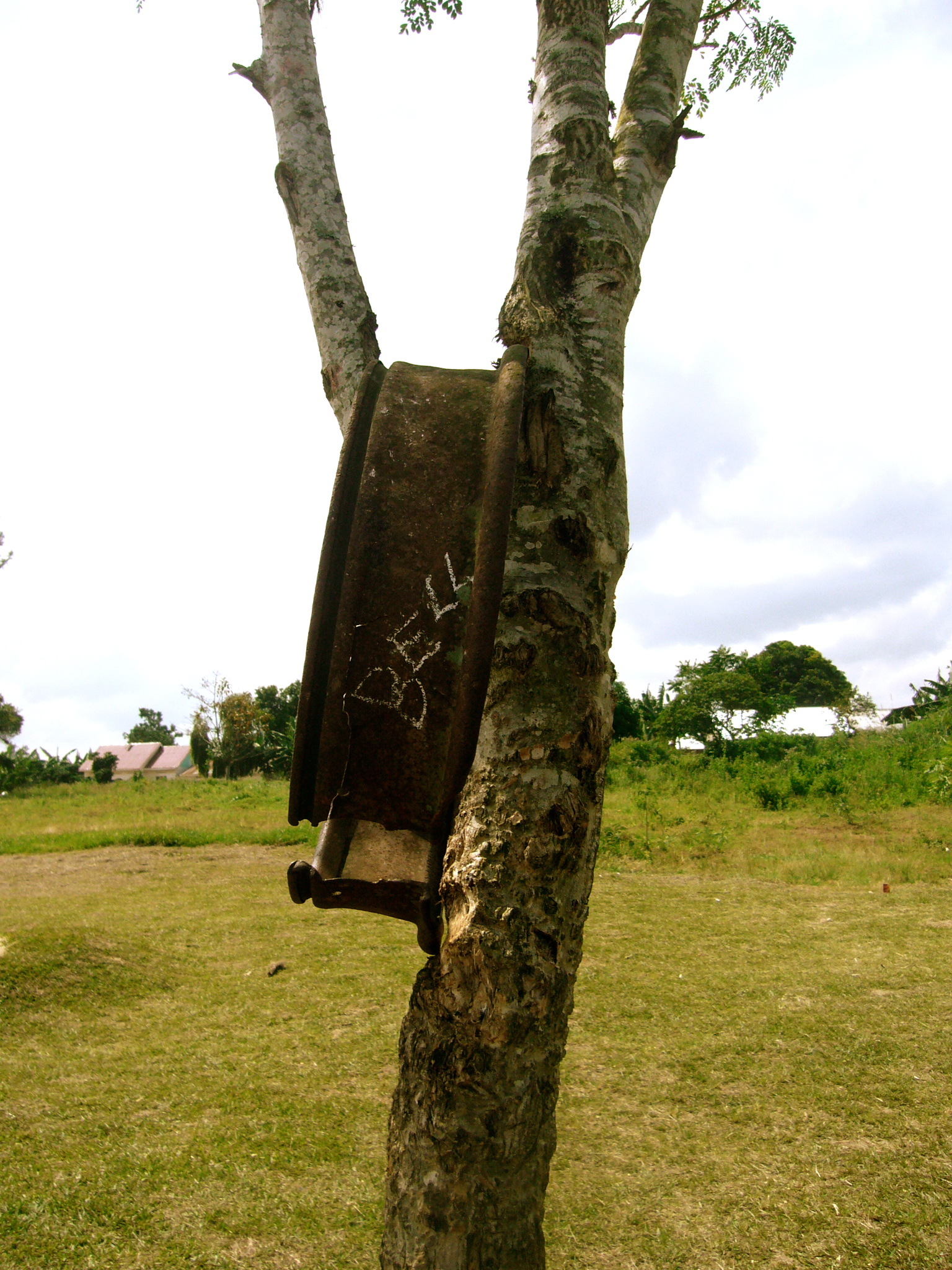
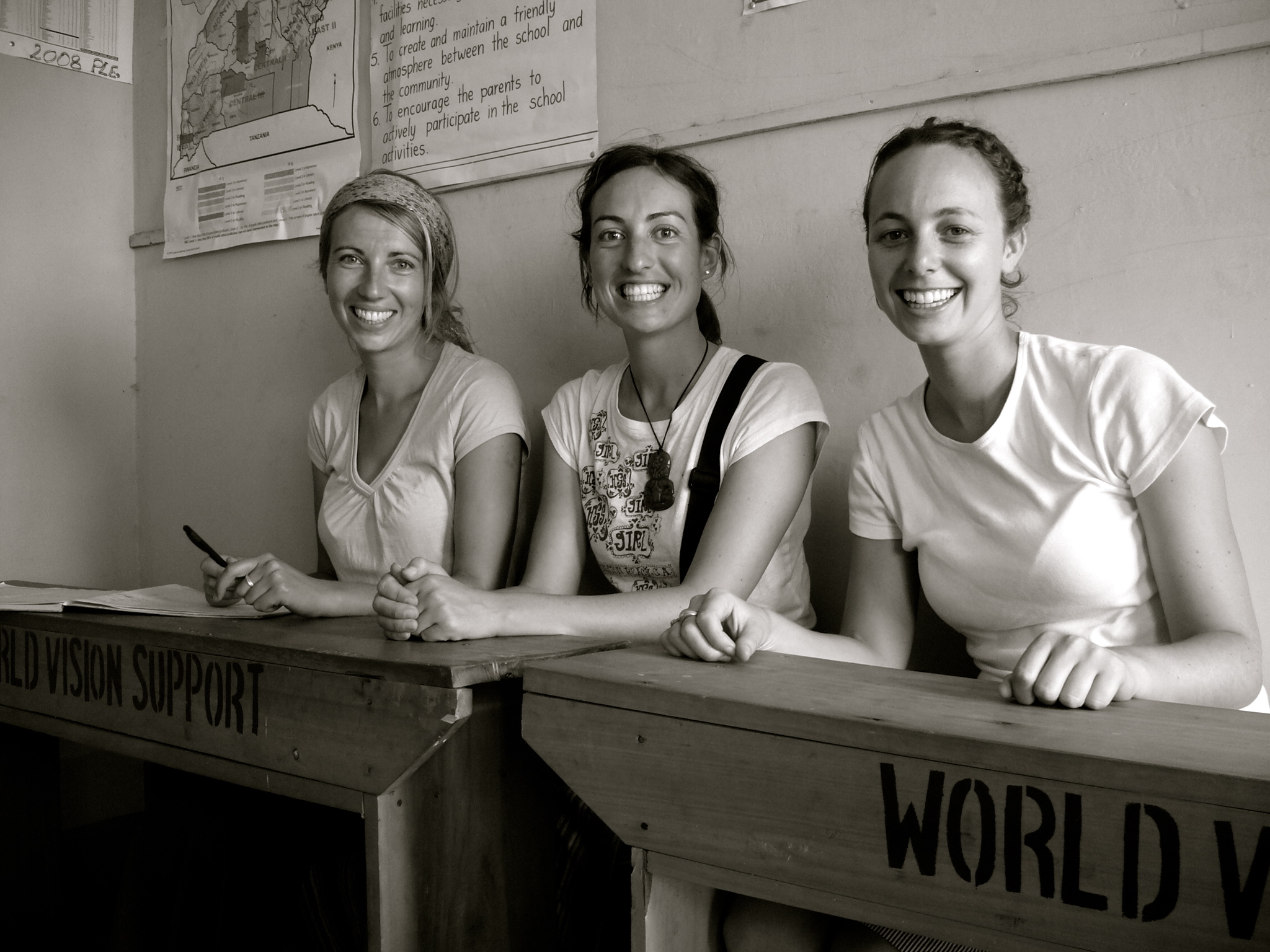
So we arrived at Kamuganja to be met by 300 faces, half thrilled, half terrified who clapped and sang for us as we bumped our way along the dirt road. Dominic stopped the car for us to get out and walk amongst them into the school grounds. The red earth felt like a red carpet. They were so genuinely grateful to simply have us there and it was overwhelming to say the least. Continue reading
World of Wonders
It is hard to describe the feeling of being constantly busy, constantly overwhelmed and forever spinning when it seems that all I achieved today was my washing. It is said that Africa runs on a time of its own, that if you get one thing done in a day you’re doing well. It is very easy to think that you understand such things without actually having experienced them for yourself. I am doing so now.

The rainy season seemed to stop overnight (with a very dramatic final thunderstorm) and now our days are filled with scorching sunshine that goes right through you. We are a stone’s throw from the equator and it really does feel as though the sun is directly overhead, beating down mercilessly as we try to do such simple tasks as washing. I showed Rose a picture of a washing machine today and she laughed in disbelief that we simply push a button and the clothes come out clean. Here it involves hours of backbreaking scrubbing, multiple tubs of water (to be filled from a slow-running tap on the other side of the school) and that good old multi-purpose laundry soap.
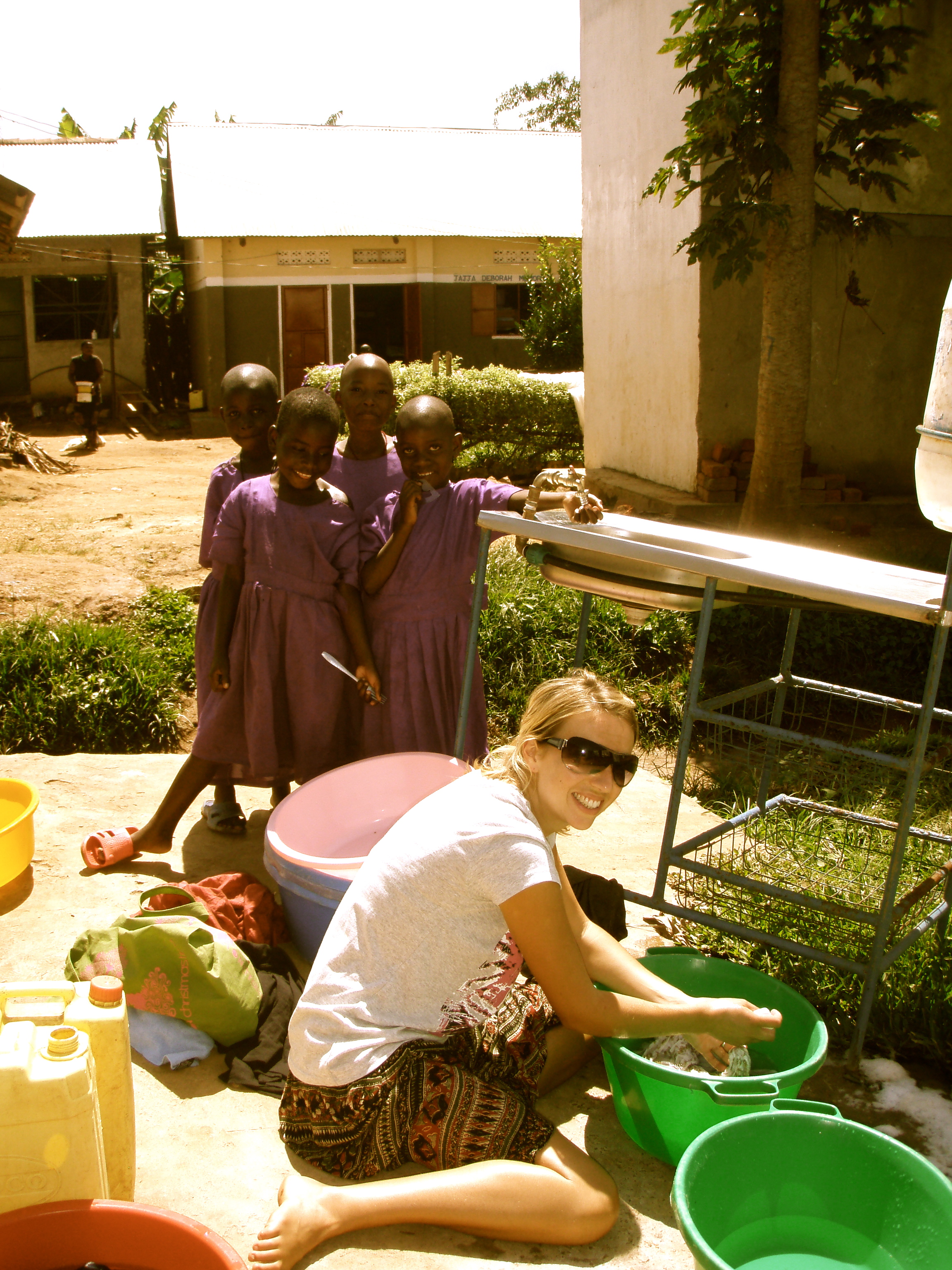
This morning was filled with much amusement, despite the sweat pouring from me, as every child, adult or animal that passed me paused and thanked me. I was confused as this had happened before and it made no sense for everyone to be thanking me for washing my clothes. Thanking me for being clean? For finally scrubbing up? Because they thought I might do theirs too?? As it turns out, in Ugandan culture each time you pass someone doing any kind of work it is customary to thank them. In fact you must. You must thank each person for the work they are doing, whether it benefits you or not. I guess they just like to encourage things getting done. Now that I can understand.
Every day here is full of wonders. Wonder in the sense that I wake up each morning having no idea how the day is going to pan out, what wild tangent it will end up on. Yesterday we went into Kyotera to go to the food markets and buy school supplies at the local stationery shop. The markets are a feast for the senses; mountains of fresh fruit and vegetables are piled high on makeshift tables on an uneven dirt hillside. Children either run towards us or away from us crying muzungu!! in wonder, horror or a mixture of both. We bought huge juicy pineapples and bunches of tiny sweet bananas and sat munching them on the side of the road (you can’t eat while walking here but there are convenient bench seats all over the place). The markets also feature hunks of dead animal suspended from hooks, swarming with flies. Kirsty is thankful everyday that she is vegetarian. Cherie and I have vowed to try everything here which is quite a challenge at times. I have eaten unchewable meat, an untold number of stones in my rice, any stray bug that flies into my meal, as well as Uganda’s favourite treat – grasshoppers. They’re crunchy, they’re green and they still have eyes that look at you as you eat them. Can’t say I’d recommend them. Continue reading
 I left my heart in Uganda